Friday, 16 February 2018

How To Add High Protein Vegetarian Food to Your Diet

Whether you're already vegetarian or simply trying to add more plant based foods into your diet, one of the main challenges can be to find good vegetarian sources of protein.

This problem is even more difficult if you are trying to lose weight. A high carb diet is much easier on a vegetarian diet, but trying to swap to a regime where you are eating protein at every meal makes meal planning much more difficult.

Nutritionist Jessica Cording writing in mindbodygreen has observed the problem in her own clients:

https://www.mindbodygreen.com/articles/best-vegetarian-protein-sourcesSometimes it can be a challenge to work protein in consistently throughout the day. I find that many of my clients who complain of feeling hungry are falling a little short of their goal or having most of their protein at one meal rather than spreading it out throughout the day. This also comes up when someone is transitioning to a plant-based diet that involves less of the animal proteins they’re used to. read more at mindbodygreen.com


Most people know that eggs are a great source of protein.  Cheese also contains a significant amounts of high quality proteins.  Cottage cheese is particularly good if you're following a weight loss diet.  If you find the texture of cottage cheese unpalatable, then ricotta is a great, and very versatile, alternative.

Strained yogurts (for example Greek yogurt) are also excellent and little known sources of high quality protein. The fact that they are strained almost doubles their protein content. Not only is greek yogurt a great substitute for sour cream in dips and baked potato toppings, but live yogurt also helps to improve the levels of good bacteria in your gut.  This has a multitude of health benefits which includes weight loss and a reduction in insulin resistance.

Some other great sources of protein which you could add to your diet are seeds, particularly flax seeds which are also great brain food as they contain Omega 3 fatty acids.  Nutritional yeast is another additive which can be sprinkled over food to add a savoury umami note to foods.

So it's not just beans and lentils which add the protein to a vegetarian diet.  Just make sure to include as wide a variety of foods as possible for optimum health.

www.weightodiet.com brings you the latest dieting research and thinking to help you on your weight loss journey. We sort the fact from the fiction and find the top weight loss programs to help you achieve the body you want.

Image from mindbodygreen.com

The following article How To Add High Protein Vegetarian Food to Your Diet Find more on: http://www.weightodiet.com/

Tuesday, 13 February 2018

Diet Isn’t Just About Weight Management: Foods that can help and harm your brain

Needing to lose weight should not be the only reason to watch our diets. Dr Alessandro R Demaio points out that our weight or body mass index is not necessarily related to good health. Even if we're slim we should still make a point of eating healthy foods.  He says:
The most compelling reason to eat healthy foods is the correlation between good nutrition and well-being. Coupled with regular exercise, eating a diet rich in whole foods and grains, healthy oils and low in sugar and salt, has been shown to convey a number of benefits. These include a longer life with less pain and suffering, less risk of back pain or muscular problems and even an increased libido... read more at theconversation.come
As important as our physical wellbeing is the effect of what we eat on on our brain.
Neuro-scientist Lisa Mosconi works at the Alzheimer’s Prevention Clinic at Weill Cornell Medical College, New York,  in this article she explains the importance feeding our brains:
Back when I started, most of my time was spent with medical journals. But 15 years into my research, much of my time is spent with cookbooks.
These books are essential to contemporary brain science. The recipes become food, and that food shapes our brains just as surely as it builds our bodies.
Our brain cells are irreplaceable. Unlike the rest of the body, where cells are continuously replaced, the vast majority of brain cells stay with us for our entire lives – which means they are in need of extra care and nourishment.
Lisa explains that MRI scans have helped them to understand how eating different foods affects our brains.  Some foods serve to protect the brain and shielding it from harm. However, some foods have a negative effect on our brain functions and eating these foods increases the risk of cognitive decline.
Lisa says:
While the blueprints for an individual brain do depend in part on DNA, recent discoveries have led neuroscientists to understand that genes load the gun, but lifestyle pulls the trigger. In fact, there is consensus among scientists that at least one third of all Alzheimer’s cases could be prevented by improving our lifestyle, from ameliorating cardiovascular fitness, to keeping our brains intellectually stimulated and, of course, eating better.

So what foods nourish our brains?

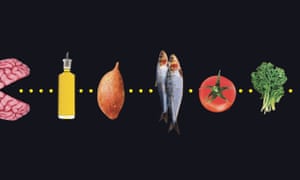
There is only  kind of fat the  brain needs, these are called polyunsaturated long-chain fatty acids (Omega 3s).  These are mainly found in oily fish such as salmon, sardines, mackerel and anchovies.  If you don't enjoy eating fish, then flax seeds and chia seeds are another source of these vital nutrients,
Leafy greens contain phyto-nutrients which help your brainOur brains get all their energy from glucose. Foods that are rich in glucose yet contain enough fibre to keep our blood-sugar levels under control include whole grains, kiwi fruit, beetroot,  sweet potatoes and onions.
Our brains need vitamins and minerals which have antioxidant effects such as vitamin A, vitamin C, vitamin E and selenium – but also iron, copper and zinc. Fruit and vegetables - especially leafy greens are the best natural source of these.
Martha Clare Morris is the author of a long term study which investigated the relationship between cognitive decline and diets. She observed:
Healthy seniors who had daily helpings of leafy green vegetables — such as spinach, kale and collard greens — had a slower rate of cognitive decline, compared to those who tended to eat little or no greens.
"So, when you eat leafy greens, you're eating a lot of different nutrients, and together they can have a powerful impact," says Morris.
Read the full article: Diet Rich In Greens Linked To Less Age-Related Memory Loss
A selection of brain protecting food.
So the best way to get a full range of the required micro and phyto-nutrients for brain health is to try to eat as many different types of fruit and veg as possible and include a high proportion of leafy greens.
The other superfood for the brain is extra-virgin olive oil. This is loaded with anti-ageing nutrients such as omega-3 fatty acids and vitamin E.

Vitamin E is particularly important to protect ourselves against dementia. Large studies in the US and Europe have found that elderly people who consumed more than 16mg a day of vitamin E had a 67% lower risk of developing dementia compared with those who consumed little to none. Dementia risk was further reduced by taking vitamin E in combination with vitamin C. Both these vitamins protect brain cells from the harmful effects of toxins and free radicals, while vitamin E has the added benefit of increasing oxygen delivery to the brain.

Foods to avoid

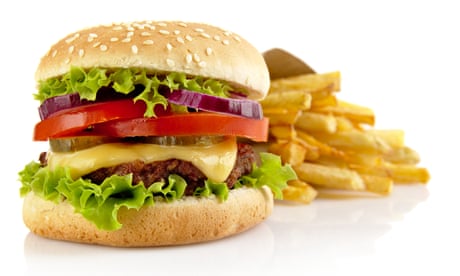
A junk food diet contains substances which are harmful to our brains.The categories of foods which are detrimental to our brains is very short.  It basically includes fried, fatty foods and processed foods - especially meats like salamis and bacon and high fat dairy or dairy replacements. Foods which contain trans-fats or high levels of refined sugars should also be avoided where possible.

The more of these processed foods you consume on a regular basis, the higher your risk of cognitive decline and dementia.

The best advice is to restrict the brain draining processed foods to infrequent occasions. Eat as much food which has been prepared from fresh ingredients as possible. Eat a rainbow of colours and where 5 a day is good, 8 a day is even better.

Images from theguardian.com, theconversation.com, zmescience.com

The post Diet Isn’t Just About Weight Management: Foods that can help and harm your brain was originally published on Weigh To Diet

Friday, 17 November 2017

How To Survive the Party Season Without Piling on Pounds


'Tis the season to be jolly! Sometimes the holiday season seems like an endless round of Christmas lunches, parties, and drinks and nibbles with friends. This can spell disaster for our waistlines and by the time New Year rolls around we’re feeling like the only solution is to go on a diet. So here are some tips to help you avoid ending the holiday season with a belly as tubby as Santa’s.

Obviously some events are so enjoyable, and no-one in their right mind would turn down the food. So realise that on some days any sort of eating plan is going by the board. With only a couple of weeks of November left, my 3 week diet is in full swing.  However, once we get to the  party season. I'm just going to sit back, put any thoughts of guilt aside and make the most of the occasion. Watching the diet will be done on other days.
Is it tasty enough to be worth the calories?

For all the memorable occasions there are also plenty where the food is a to put it politely, bit ordinary. Last year, Karen went out for her office Christmas lunch, and told me the food was terrible. The parsnips had some weird coating and weren’t properly cooked, the turkey was bone dry and the Christmas pudding had been reheated to barely lukewarm.

On those occasions, when the food isn’t good. Either pick the healthy option or just don’t eat it. Of course, be polite if required and pick at it if necessary, but don’t wolf it down. Don’t waste the calories on something which you are not enjoying. Have something tasty and healthy when you get home.

Drink wine, festive fizz or low calorie soft drinks.

Drinks are another area where it can be easy to make healthy choices. The problem with drinks isn’t the alcohol itself, it’s the sugary mixers or beer, which cause your body to pile on the pounds. Drink wine, enjoy a glass of fizz, or choose spirits with low calorie mixers, skip the egg nog and the sweet fruity  punches.

The other problem with alcohol is harder to solve. After a few drinks not only do most men look more attractive, but so do the high calorie snacks! To help combat this drink water in between the alcoholic drinks to dilute the effect of the alcohol, and help you feel much better the morning after.

Unless I’m hosting a party, I keep snacks and crisps out of the house and stock up on healthy 
nibbles. Then I don’t worry about grazing when I’m out at an event.

Make socializing your priority, not eating.

That said, try to limit your choice from a buffet to the things you’ll enjoy the most. Don’t try everything on the table as sampling too many different flavors can fool your brain into thinking you want to eat more.
Mingle and chat at parties, use the opportunity to catch up with family and friends. It’s hard to eat at the same time as talking, so make socializing, not eating your priority.

Healthier options can also be festive treats

If you are hosting a party remember that your guests are probably having the same weight issues and will thank you if you can offer some tasty yet healthy alternatives to the usual party fare.

Eat healthily in-between events. As the Venus Factor manual says: "Win the week, not the day". Preparation, a meal plan and a shopping list can really help make sure you have quick cook food in and don’t need to grab junk food as you rush between work, shopping and the inevitable Christmas preparations.

Watch your portion sizes, it’s OK to have a slice of grandma’s boozy Christmas cake, but make it a slightly smaller slice.

Tightness round the tummy is a big fat deterrent to overeating
This next tip I picked up from a BBC newsreader. She said, never wear lose clothing or elasticated waist trousers, nor buy a bigger size of jeans. Snug fitting jeans will let you know when you’re eating too much and the discomfort as they get too tight will help you stop eating before you pile on the pounds
.
And above all, try and get enough sleep. Getting enough sleep helps to regulate hormones that keep hunger and appetite at bay. The season is tiring enough without being sleep deprived and extra hungry as well.

Article Source How To Survive the Party Season Without Piling on Pounds 
Read more on: https://weightodiet.com

Monday, 3 April 2017

What Is The Best Sweetener For Weight Loss?

there are healthier alternatives to sugar
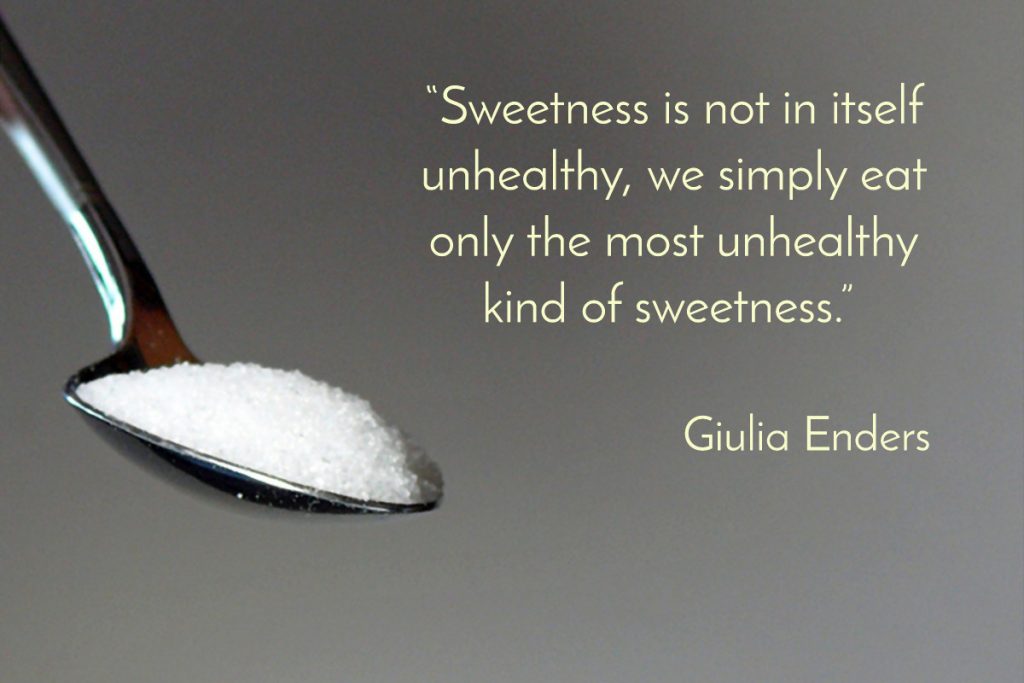
I have a sweet tooth and reducing  the amount of sugar I consume has been difficult. There are however, many alternative sweeteners to sugar available, but it's not always easy to decide out which sugar replacement to use to help you lose weight.

What should we look for in a healthy sweetener?

Blood sugar levels are one of the critical factor in maintaining a healthy weight. Many diet books advocate the use of honey as a replacement for sugar, and it's true that honey is better for you than refined white sugar, eating it still has a significant effect on blood sugar levels as this tweets shows

This list gives a tiny flavor of the dozens of sugar replacements, ranging from the chemically produced aspartame type right through to the sugar alcohols like Erythritol and which occur naturally in the body.

This excellent video from Alyssia Sheikh explains the different qualities of each group of sugar replacements and covers the pros and cons for each of the different types.

As Alyssia points out, moderation is the key, so if you are eating light lunches to help you lose weight and you finish off with a cup of coffee, there may be nothing to stop you having a spoonful of regular sugar.  But if you have 10 cups of coffee a day, or you're on a diet, it might be sensible to find a substitute you are happy with.

My personal top 2 sugar replacements are both natural products:

Stevia

Stevia is extracted from a the Stevia plant which native to Brazil and Paraguay. The people there have used the leaves as a sweetening agent for centuries. Not only that but they have also used it has a herbal medicine to treat problems which we think of as relating to obesity, such as diabetes, high blood pressure and heartburn. It is naturally much sweeter than sugar so I only need to use a very small amount. however, I do find it has a slight aftertaste. This is the sweetener I carry in my handbag.

Xylitol

This is my personal favourite. It was originally recommended by my nutritionist friend Karine.  I've tried a number of other sweeteners and of all of them this is the one which leaves no aftertaste. Karine says she uses it to sweeten her children's food, not because they need to lose weight, but because unlike sugar it helps to prevent tooth decay.

Xylitol is a sugar alcohol which occurs naturally in plants. Sugar alcohols are nothing to do with alcohol you might drink, it's merely a classification to describe the molecular structure.
It is actually a type of carbohydrate, but it's one which doesn't have the adverse effects of regular sugars. When we eat it, it's only partially metabolised by the body and with it's low glycemic index of 7, it doesn't cause a blood sugar spike which can lead to fat storage.

Interestingly, humans also make a small amount of xylitol naturally while metabolizing carbohydrates, so we shouldn't have be a problem eating it as we already process it in our bodies.
The downside is that it's not cheap, however it is relatively easy to find in the supermarket (in the UK the brand name to look for is Total Sweet) so I don't have to order it from a health food shop. It comes in granular form so I add it to coffee in exactly the same way as I do sugar. However, if I bake with it, I have to cut down the amount I use as a 1:1 substitution by weight gives a much too sweet end result.  I usually start with using half as much Xylitol as sugar and adjust to taste from there.


The post What Is The Best Sweetener For Weight Loss? was first published on
weightodiet.com

Wednesday, 22 February 2017

Are You Talking Yourself Out Of Losing Weight?

Eating chips while reading the news
How to you like to get your news?
What is your preferred style of news feed?  Do you prefer it to be like Chinese food (or Twitter), in bite-sized chunks? Or perhaps you prefer something meatier?  Some people like to learn new things by being be spoon fed the details.

I was surprised when it was pointed out to me how many of the phrases and sayings we use in everyday conversation were related to food, eating and digestion.

When it comes to taking in or new information and learning new things, the parallels between language and eating behavior are shocking - once you start to notice them!

How do you like to take in information?

You may perhaps skim over it as quickly as possible, or do you chew it over, and thoroughly digest the details for your greater understanding.

Are you particularly picky about the source of your information? And how does that relate to what you choose to eat?

Some things, of course, are hard to swallow and you may find certain details quite unpalatable. Most of us get very annoyed when people try to force their ideas down our throats.

You may even feel like you've got too much on your plate. Then, of course, you may also feel as if you've bitten off more than you can chew. You may have been better cherry picking from the smorgasbord of available weight loss programs.

What do you hunger for?

And it goes further. Some people are hungry for love. If no love is available, then they love chocolate, or cheese, or cake, so they'll eat that instead.  It fills a void.

Is this food for thought?

It was for me. I realized that I hunger for stimulation or entertainment.  I hate being bored.  I jump from one thing to the next consuming whatever web page, news story or magazine I find as quickly as possible. Often bookmarking it so I can read the details later and then quickly move on - as if I'm going to miss something if I slow down.

I was shocked to see that I eat in very much the same way.  I gobble my food down at breakneck speed.  I notice the flavor of the first couple of mouthfuls, but after that I hardly notice the flavors and textures of the different foods on the plate.  Even when the meal is fabulous, I still finish before everyone else at the table. As if it's a race - and yes I am competitive.

I watched the latest crime drama from the BBC last weekend.  All that violence left a rather nasty taste and didn't enjoy it. Regardless, I watched it to the bitter end.  I should have stopped and switched it off and done something more fun.

But I didn't. Just the same as when I eat a meal. Once I dig in, I almost always carry on eating until my plate is clean - and why wouldn't I, since I'm not properly paying attention to what I'm eating or how it's making me feel.

I can happily watch a 24-hour news channel looping over and over the stories, grazing on news like I  graze on cookies, eating them mindlessly and not actually noticing what I've eaten until the packet is empty.

What are your relationships like?

I may have fed myself the line that this is OK.  But it's not.  The news for me is that I need to slow down and pay attention to what I'm eating and how it makes me feel.  Appreciate the nuances of smell and flavor of each dish.  Enjoy some home cooking and allow my body to properly digest each meal before stuffing more food down.  I need to take Sarah Hallberg's advice and stop eating food I don't like or eating when I'm not hungry.

I'm curious to see if that'll change my choice of words too...

How does this relate to you?  How do you take in, process and digest information?  And how does this relate to your relationship with food and eating?  Let me know in the comments below.


The blog post Are You Talking Yourself Out Of Losing Weight? is republished fromhttp://www.weightodiet.com

Thursday, 4 February 2016

7 Best Tips To Help You Stick To A Diet

We recently finished testing the 3 Week Diet (read our review here).  It’s basically a low carb diet in 3 phases which aims to provide the largest possible weight loss in the shortest amount of time.

Sticking to a diet is never the easiest thing to do. So here are the 7 most helpful tips we found from our experiences as we slimmed our way through the 21 days.

1. Make meals as tasty as possible. The problem is that bland and boring food is the enemy of dieters.  We use herbs, spices, Worcestershire sauce, chilli pepper, lemon juice, balsamic vinegar, anything in fact which had very low sugar or fat but which added flavor.

Flavorful meals which smelled good were the ones which kept us feeling full longest.

Click here to read more on our website...


7 Tips To Help You Stick To A Diet was first published on http://www.weightodiet.com

Fast v Slow Weight Loss - Which Is Better?

When it comes to losing weight, we have long been told that a slow and steady approach is the right way to go.  However, an Australian study published in medical journal The Lancet Diabetes and Endocrinology demonstrated that fast weight loss might be a much more effective way of actually achieving our target weight.

The study took 200 obese individuals and assigned them to either a gradual, 36 week, weight loss plan or a fast, 12-week weight loss programme.  Of these, 81 percent of fast dieters achieved their target weight, but only 50 percent of gradual dieters reached their goal.

The researchers thought that the fast dieters were more successful because the quick weight loss results gave them more motivation to keep going.

Katrina Purcell, a dietician from the University of Melbourne is one of the study’s authors. She said: ‘Guidelines recommend gradual weight loss for the treatment of obesity, reflecting the widely held belief that fast weight loss is more quickly regained. However, our results show achieving a weight loss target of 12.5% is more likely, and drop-out is lower if losing weight is done quickly.’

Nutritionists have often warned of the dangers of crash dieting. Many diets exclude complete food groups and it becomes difficult or even impossible to get the full range of nutrients required for good health when eating so few calories.

In this study, the fast weight loss group who were consuming between 450 and 800 calories per day were also given medically approved nutritional supplements. The researchers said it was ‘impossible’ for the group to get all the nutrients they needed from the food they were given.

One of the reasons that International guidelines recommend slower weight loss (around 2lb per week) in order to keep it off for good.  However, the Australian study monitored dieters for three years after their target weight had been achieved.  Both groups were put on the same three-year weight maintenance plan, and both regained around 71 percent of the weight they had lost. The researchers concluded that there was no difference in the amount of weight regained between the two groups of dieters.

This means that whether someone regains weight or not after a diet does not depend on the speed of weight loss during the diet.

The study’s conclusions were welcomed by Professor Kishore Gadde and Dr. Corby Martin from Pennington Biomedical Research Center in Baton Rouge. They said:

“The study…indicates that for weight loss, a slow and steady approach does not win the race, and the myth that rapid weight loss is associated with rapid weight regain is no more true than Aesop’s fable.

“Clinicians should bear in mind that different weight loss approaches might be suitable for different patients in the management of clinical obesity and that efforts to curb the speed of initial weight loss might hinder their ultimate weight loss success.”

However, a contrary view is held by  Professor Naveed Sattar of the University of Glasgow who said that even the study’s gradual dieters lost weight too quickly.

‘One must remember that weight gain in many who are obese has occurred over years, and reversal may need to be relatively slow so that the brain and systems that regulate appetite have time to reset,’ he said.

To kick start your diet, click here for more information and reviews of a range of fast weight loss programs.


Fast v Slow Weight Loss - Which Is Better? was first published on http://www.weightodiet.com